
NATURAL STONE
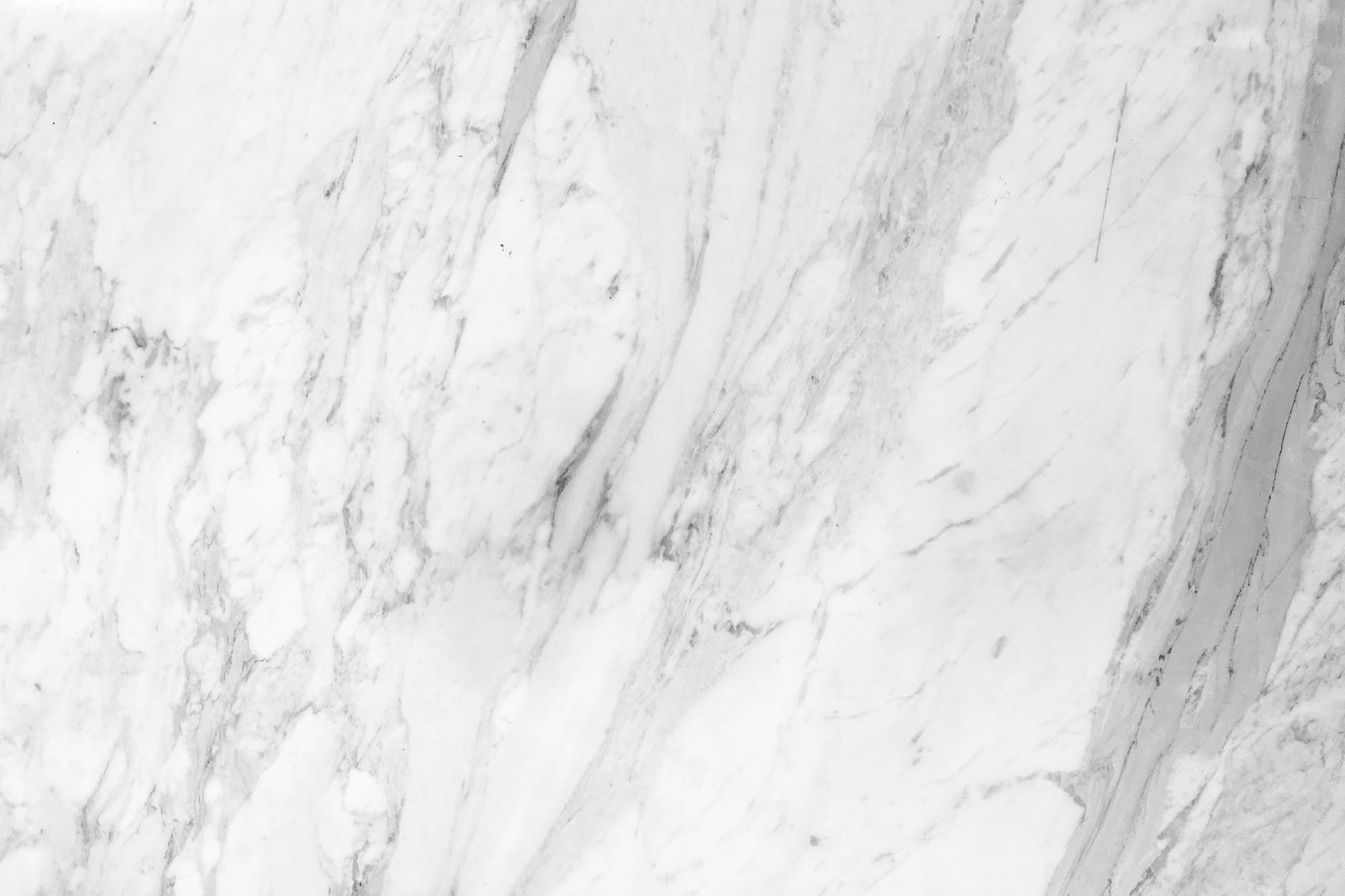
Natural stone, such as granite, marble, soapstone, limestone, and slate, varies in color and pattern, which means that no two slabs are exactly alike. Before purchasing a slab, take a large sample home to make sure you’ve found the perfect piece.
PROS:
• Durable
• Heat-resistant
• Always stylish
CONS:
• Susceptible to stains
• Requires routine maintenance, including cleaning and sealing
• Scratches and cracks (but can be buffed)
Budget: $85-$250/sq. foot

ENGINEERED STONE
More durable than natural stone, engineered stone — a composite material made of resins plus natural stone such as quartz, marble, or granite — is available in a wide variety of colors, textures, and finishes.
PROS:
• Durable
• Scratch-resistant
• Stain-resistant
• Easy to clean
CONS:
• Not as natural-looking as solid stone
• Heat exposure over time might cause damage
Budget: $50-$150/sq. foot
LAMINATE
Laminate gets its look from high-quality printed paper, making it inexpensive and widely available.
PROS:
• Stain-resistant
• Easy to clean
• Low cost
CONS:
• Can be scorched, cut, and scratched
• Can be installed only with a drop-in sink
• Hard to repair
Budget: $20-$85/sq. foot
STAINLESS STEEL
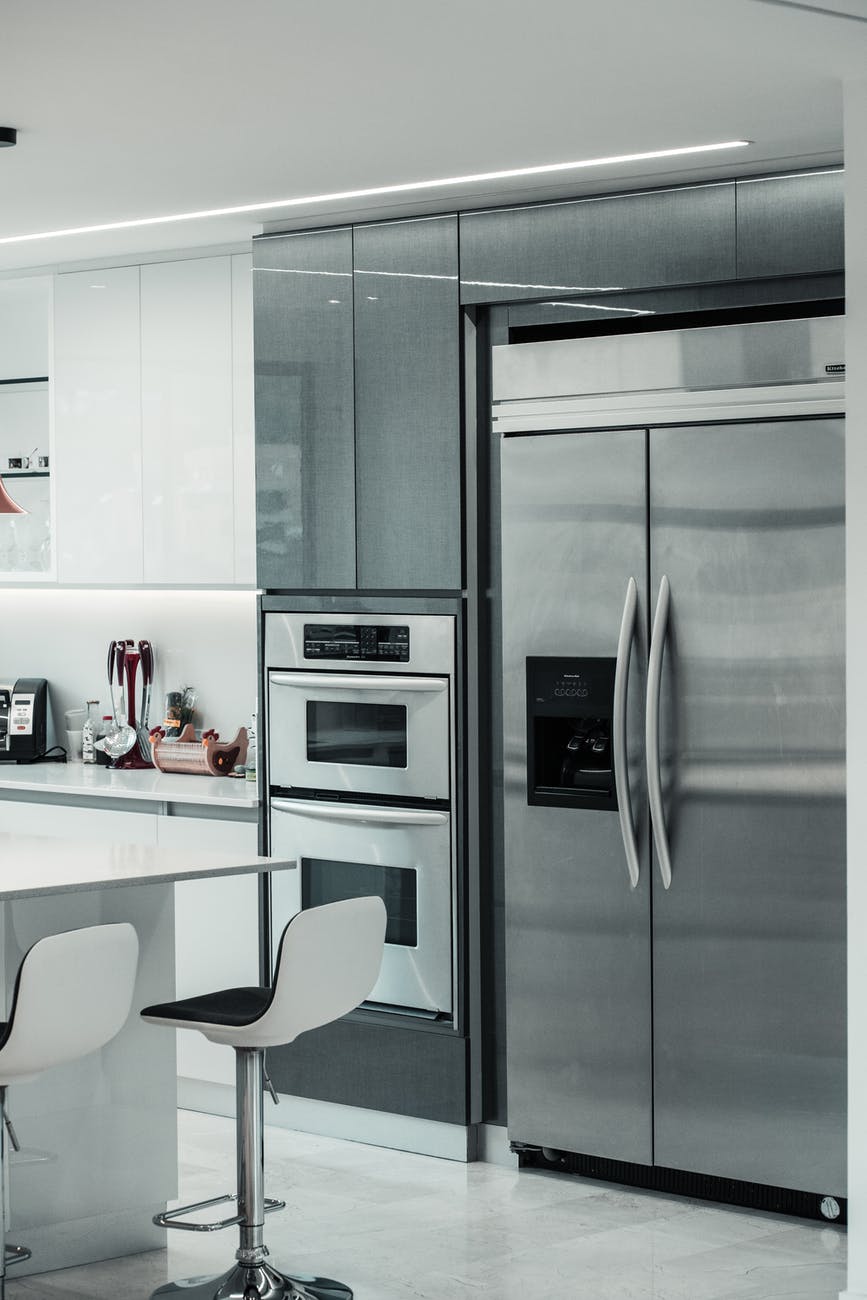
Borrowed from restaurant kitchens, stainless-steel countertops are an ideal cook’s companion.
PROS:
• Antibacterial
• Stain-resistant
• Heat-resistant
CONS:
• Scratches and dents easily

WOOD
Whether you opt for traditional cherry or hardworking butcher block, wood adds instant warmth to any kitchen design.
PROS:
• Ages well with use
• Certain types can be used as a cutting surface
CONS:
• Vulnerable to moisture, heat, and stains
• Requires frequent maintenance

CONCRETE
Concrete countertops are less common — but no less stylish — than natural stone countertops and complement a broad range of styles.
PROS:
• Durable
• Heat-resistant
• Easily customized
CONS:
• Extremely heavy
• Must be sealed regularly to avoid stains and moisture
 OAK GROVE